


From Hoops to Hope: Damen Bell’s Career Transition After Professional Basketball
He was a pro basketball player but his senior quote in high school was “If all I'm remembered for is being a good athlete, I've done nothing with my life.” Damen Bell grew up in Hydaburg, Alaska, hunting, fishing and watching his mother do cultural revitalization his whole life. He now lives in Oklahoma. He attended Oral Roberts University where he played Division One basketball on a full-ride scholarship.
In his freshman year, he facilitated his first basketball camp to increase Indigenous representation. After two summers of facilitating camps, he understood the truth. “I realized that wasn't a reality until we could kind of work through a lot of our traumas,” he recalls. He also realized he wanted to prepare athletes for when basketball doesn't work out if it doesn't work out.
In 2016, Bell stopped playing professionally and decided he didn’t want to be a motivational speaker, so he created workshops based on gaps he saw in the classrooms. He also developed professional development days for teachers. From 2018-2020 he worked for a corporation in Alaska as a Director of Youth and Community Development then went home to his village and worked in the classrooms helping the kids learn about intergenerational trauma and other issues. A couple years later he came out to Oklahoma where he prioritizes his son.
For the last couple of years, Bell has been working closely with a couple of communities up in Alaska. He’s also been in talks with nonprofits in his local area given the budget cuts in Alaska. "My passion right now is really around program development and being able to help tribes and organizations create sustainable programming and then build up capacity with the community and doing everything through a trauma informed lens, social, emotional and through language and cultural revitalization,” he beams.
He didn’t want to just deliver camps and pump up kids with a dopamine hit when he could create capacity and sustainable programming. To do his work, Bell meets with the tribal council, president, superintendent, principal, and youth workers to determine everyone’s priorities. His goal is for young people to have language for their trauma and for them to start working through it at a younger age, having access to opportunities and careers and to know who they are.
While he dabbles in many areas, Bell frames all his work under language revitalization, trauma informed care, social emotional learning and giving people the tools and language to be able to help themselves with him working as a collaborative facilitator. Motivating him along this path is his curiosity, his love of learning, and his desire to help.
When it came to obstacles, Bell struggled with being patient. When he first started hosting camps he would yell at participants but when he learned about the impacts of trauma and intergenerational trauma and reflected on his own experience with coaching, he realized he didn’t want to perpetuate that He had to find a way to bring discipline and accountability but also love, compassion and understanding.
If Bell could share a message with his younger self it would be to start his process earlier, forgive his parents and all the people who hurt him. He recognizes it’s a marathon and there’s no end to his healing journey but giving himself room for error by starting sooner would have been helpful. At the same time, he says, “the best thing I ever did was just sit down and listen to my parents’ stories.”
During stressful times, Bell practices yoga, breathwork, and somatic dance therapy. He communicates and apologizes when he needs to with his son. He goes to music festivals as part of his healing. He loves the All Native Basketball Tournament in Prince Rupert. He takes care of himself through diet and exercise. He goes to therapy regularly and has a selfcare plan for difficult times.
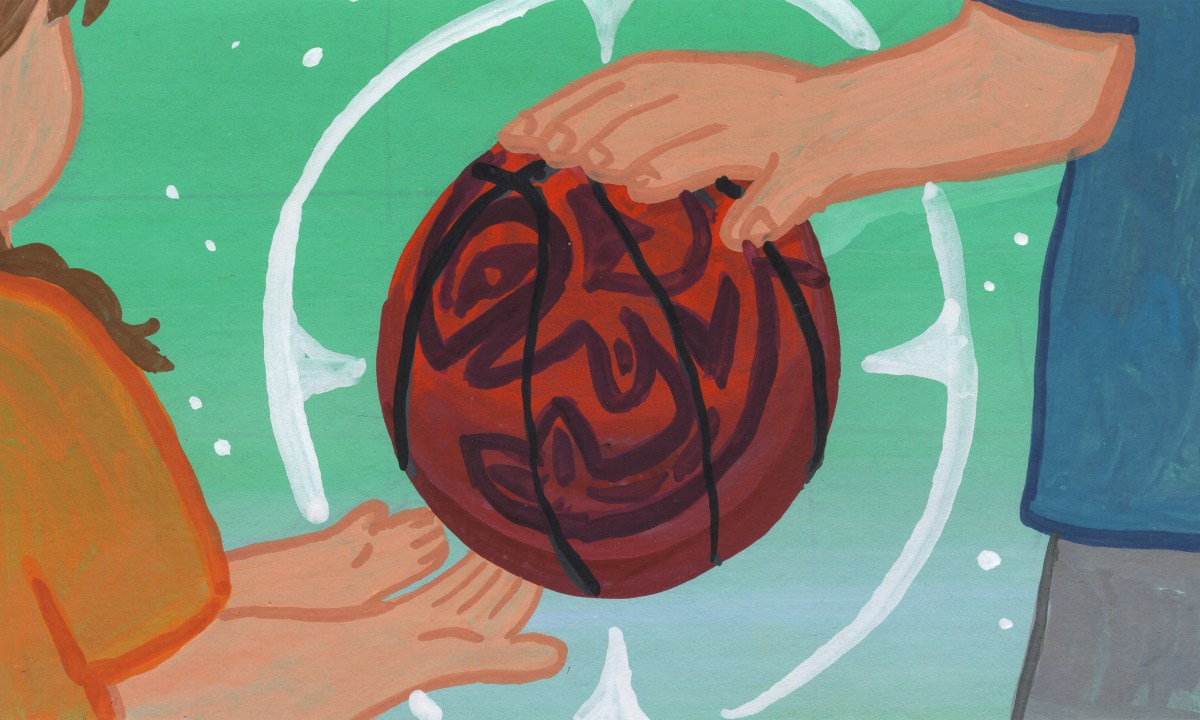
His advice for someone who wants to be involved in basketball would be to respect the process and don’t disrespect the game. Bell would say to be punctual and to find mentors who care about more than athletic ability. He had a mentor who invested thousands of hours in his life but disappeared when he stopped playing and he felt really abandoned after that experience.
Bell recommends trying other activities and joining different clubs. He also suggests having a big network of people that aren’t just athletes and says “make sure you're surrounding yourself with the right people, because when and if sports doesn't work out, you have to be prepared and ready to transition into everyday life, which is going to be really hard.”
Bell’s seen how basketball becomes someone’s identity and then when it doesn’t work out, they are left wondering who they are and what their value is to their community. Because of his ability to speak his language he could teach immersion classes if he wanted to.
“Basketball wouldn't have worked out if I didn't know who I was, if I didn't know my ancestors were protecting me, and if I didn't know everyone who came before me and I made sure that I was honouring them in the process,” Bell reflects.
As far as inspiration goes, Bell looks to the master carvers he grew up watching, Robert Davidson and Joe Young. Growing up he was in a dance group and his mom potlatched him and his siblings when he was 12, giving away $38000 gifts and also halibut, shrimp and salmon after four years of preparations.
He’s inspired by the people who came before him and those who invested energy and time into him.
“One of the biggest things that inspires me is this journey is a really long journey. We have so many opportunities to make amends with our old self and heal our childhood wounds and whatnot. My process is I'm consistently figuring out, how can I grow? How can I be better?” Bell explains, thinking of how he’s always trying to set an example for his son but also letting his son know he’s not perfect. He’s also inspired by the opportunity to represent his nation, by his son, his culture, and by the generations that will be coming after him.
In closing, Bell shares to be patient with yourself, to forgive your relatives and practice self forgiveness and self compassion. “Understand that life is a long journey, and you're going to mess up along the way, you're going to make mistakes, you're going to fall in your face…the best thing you could do for yourself is get up, dust yourself off and figure out what the next steps are.”
He didn’t want to be remembered just for being a good athlete, now Damen Bell is working with communities to create sustainable programming to make a difference in the lives of their youth. He played professional basketball but that’s not all, he has so much more to be proud of as a father, a facilitator and a Haida man. With his basketball career behind him, he has a lot to offer communities, youth and his son.
Thanks to Alison Tedford Seaweed for authoring this article.


