


From Building Homes to Building Balance: Damien Boucher Pursues a Career in Mental Health
“Don’t forget to dream. Everybody has to have a dream, and there's a lot of power behind that,” Damien Boucher urges. His dream is to restore balance in the world. He was born in Edmonton but was raised in Ottawa. His mother is from Fort Smith, Northwest Territories, a residential school and sixties scoop survivor. Boucher had been working in construction, roofing, framing and rough carpentry for the past 14 years and he decided to make a career change a few years ago to become a mental health professional, thinking there are not enough resources for those without privilege to face their traumas.
Some of what guided him into mental health was the loss by suicide of a childhood friend, his own abandonment issues from when his mother left when he was nine, and coming across Carl Jung’s inner child work which he combined with mindfulness meditation and a creation story of a spiritual healing journey, a teaching his mom gave him.
Volunteering for a grassroots organization that supports adult survivors of childhood sexual abuse, Boucher was helping with mindfulness meditations and inner child work to help other survivors work through their trauma. It’s something he had been doing for eight years prior to finding the organization. He found helping others so satisfying he wanted to continue helping others and it sparked his desire to go back to school and become a professional practitioner.
Now Boucher’s studying to be a social worker at Carleton University. He first started with the Indigenous Enriched Support Program (IESP) where he attended workshops and two university courses. After succeeding in those, he received a letter of recommendation to get into the program he wanted to attend. As part of IESP he had the opportunity to network and participate in cultural activities. There is also a lot of support built into the program, like therapists, for example.
He started off in the psychology program, wanting to be a psychotherapist but he struggled with flaws in the DSM-V diagnostic manual. He found social work more open to different cultural perspectives and an Indigenous lens. He also found it more open to looking at the whole person instead of just comparing them to DSM-V norms. It also fit better with the discourse theory and critical race theory he was learning and the medicine wheel teachings he had been taught. He’s now in third year and will be starting his placement in the fall. He’s hoping to end up in a community program that uses CBT and meditation in their work.
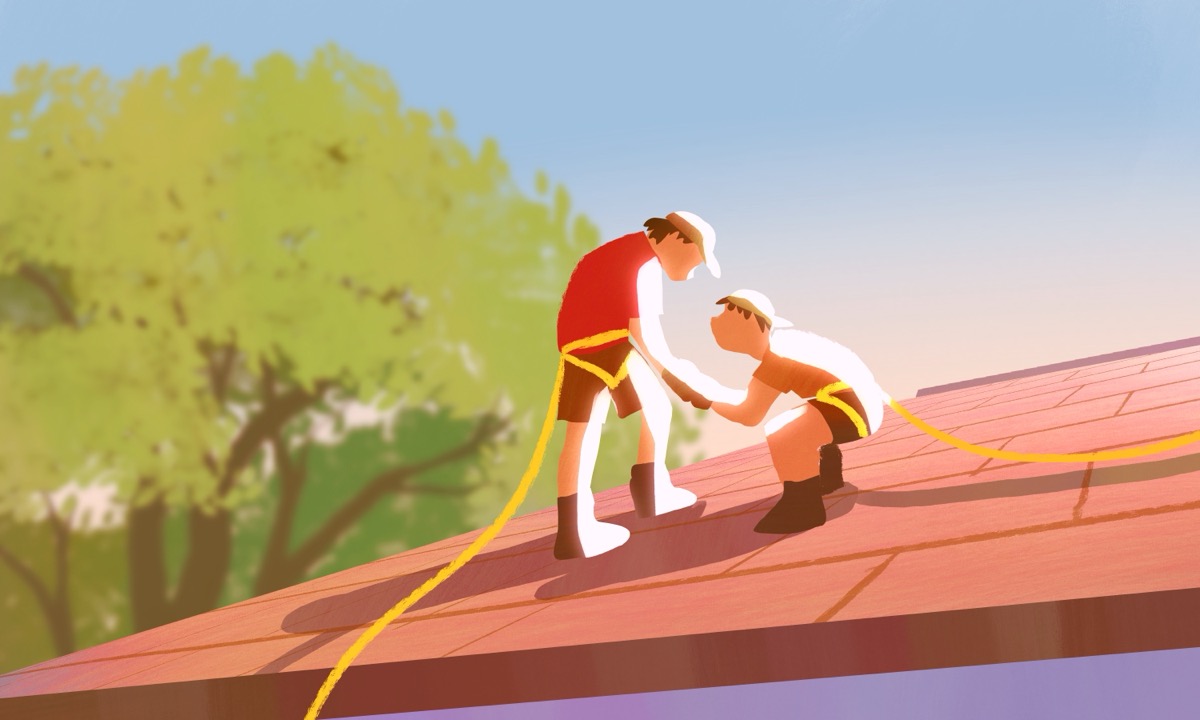
His advice to a student following the same path as him would be to practice self care because last year he wasn’t when he was employed as a mentor and he took on more than he could handle. After a few months, it took a toll on him and he ended up crashing. He ended up quitting his mentoring job and after some self-reflection, realized that he needed to be responsible for caring for himself instead of placing blame for his circumstances. Looking back, he wishes he was taught more in his younger years about self care and boundaries. He wishes he had developed more selfcare routines growing up.
To make changes in his life, he stopped drinking and smoking and started going to men’s sharing circles at the friendship centre in his neighbourhood. He attends sweats and is learning ceremony and from elders’ teachings.
When it comes to maintaining his mental wellness, Boucher has started a new hobby: birding. He watches, documents and researches birds. The activity gets him out in nature and out of his head, listening to birds and nature sounds in the bush along the Rideau River, just minutes from his home. The Peregrine Falcon is the most rare bird he’s found so far.
Motivating him to keep going are the children that he is alienated from, and he doesn’t want them to grow up without resources like he did. He’s trying to build a foundation of healthy support and a good system for them to use when they get back into contact.
Dreaming of restoring balance in the world, Damien Boucher is studying to become a social worker so those without privilege can face their traumas. Knowing how it fills his cup to help others, he’s working hard to become a professional practitioner while remembering to take care of himself. Starting off in psychology but finding his path in social work, he has found a way to integrate his Indigenous perspective in the way he wants to care for others.
Thanks to Alison Tedford Seaweed for authoring this article.


