


Lessons in Leadership: Former MLA Jeannie Marie-Jewell Shares Her Journey Towards Justice
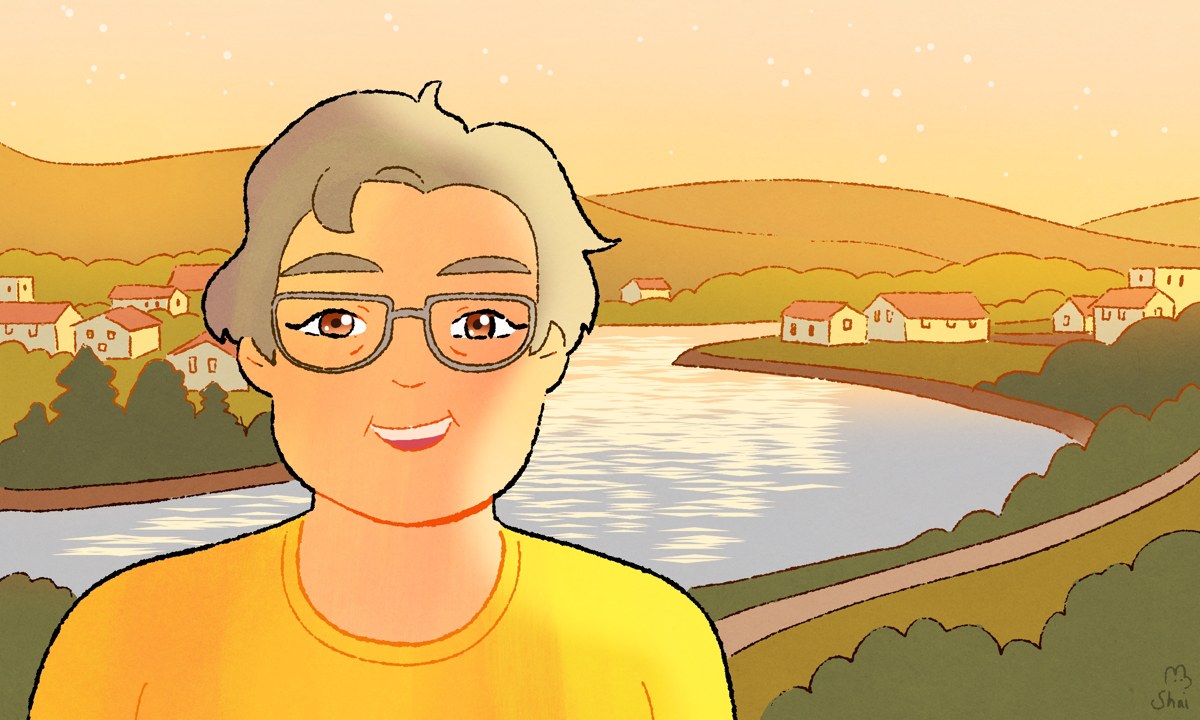
“I wasn't afraid to speak up, I wasn't afraid to challenge the status quo, and I felt that it was important to challenge the status quo,” shares Jeannie Marie-Jewell, a 71 year old elder, mother of four and grandmother of three. She was born and raised in Fort Smith. A residential school survivor whose education took her to Fort Simpson and Yellowknife, she completed high school and went to college in Lethbridge and then attended Northern Alberta Institute of Technology. Later, she attended University of Alberta for a year, too.
After studying finance and administration, Jewell worked for the government in finance, advancing to a supervisory position. She ended up finding the work repetitive and boring so she quit and went to work with Syncrude in Fort McMurray. She came back and worked with Parks Canada before going into politics, serving as a town councilor with the Métis. As a councillor, she was on the health, education and housing boards.
Once encouraged to run for office as an MLA, Jewell was elected in 1987, representing her community for eight years. She was asked to serve as minister responsible for social services, status of women, personnel, safety, workers compensation board and health. Within the social services portfolio was responsibility for correctional facilities and part of the Justice department. Travelling throughout the vast territory, she was a busy mom still nursing her youngest daughter when elected. With the support of her husband and her nanny, she was able to focus on her community, her ministerial role alongside her family life. She later served as Speaker of the House for a year. When she finally left the government, she lost the election by just 36 votes.
At one point, Jewell sent a request and proposal to the government to create a campaign around women in leadership to increase the number of women in leadership positions. She worked for a year with another MLA and campaigned for women leadership schools in different communities within the territory. She recently sat on the mental health board for the Northwest Territories government for four years. Lately, she’s been trying to retire but she receives many requests for assistance, advice and support.
Her advice for Indigenous students who have to leave their home communities is to focus on their education and learn what is needed to be successful. While leaving can bring loneliness, Jewell suggests getting as much support as possible from family and friends, connecting through technology like Facetime. She recommends reaching out to supportive people, being determined and never giving up.
Thinking back on the obstacles she faced, Jewell’s mother passed away when she was twelve years old so she lived in residential schools and then foster care. She didn’t receive encouragement around her talents with literature and math growing up or in school and while she was encouraged to go on to become a certified accountant later in life, she struggled with boredom in the repetitious work. In politics, she had the opportunity to feel like she was working towards something and helping people feel better. The lack of awareness around learning styles of Indigenous people meant visual learning was not supported when she was going to school but she finds now there is more awareness of Indigenous people’s needs and culture.
Beyond a lack of encouragement from teachers, Jewell also felt a lack of compassion. Being so institutionalized, she became defiant and determined to find ways to do the things people encouraged her not to do. She believes young people should set their own goals based on their passions, working towards their dreams and taking pride in their achievements to keep their momentum going. Growing up, she lacked confidence and would like to see confidence build in the younger generation so they have the encouragement they need to go after their goals.
To balance her mental health and well-being in politics and as a leader, Jewell had to learn to look after herself and remember to put her own oxygen mask on first so she could help others. At one point, she took a break from the legislative assembly to participate in intense counselling to understand her anger and institutionalization. She has been to a lot of therapy and attended sweats. She would clear her head and plan for solutions by going for a ride and other days she would set an intention to do nothing but take care of herself. “If you're not well, how are you going to help people?” has been her attitude towards self care. As a woman of strong faith, she prays a lot and she remembers how her mother nurtured her beliefs when she was young.” It's really important to keep your spirit strong,” she advises.
Motivating her towards leadership was the experience of seeing people being treated unfairly, with no one speaking up for them. The oppression of Indigenous people turned Jewell into an advocate, making it her business to address injustices when she saw them. “If I could help one person, at least it's making life easier for them,” she would think as she worked towards fairness.
One important lesson Jewell learned was, “You don't need a title to be a leader. In everyday life, you could try to work towards changing things in your community, in your home, so that things are better.” She hopes the next generation will look to their role models’ positive attributes and work towards becoming more like them.
Brave enough to speak up and challenge the status quo, as a young mother, Jeannie Marie-Jewell represented her community in politics, and she didn’t stop there. Working in politics, public service and the oil industry, she’s had a varied career and is only starting to slow down as an elder in her seventies. Always making it her business to address injustices, she’s found her place as a leader and gives back to her community where she can.
Thanks to Alison Tedford Seaweed for authoring this article.


