


Kokum in the Classroom: Marsha Missyabit’s Educational Career Journey
“I wasn't sure about my journey throughout life, but I knew I wanted to be a helper, and I loved being with students in schools,” says Marsha Missyabit. She is the Kokum for the Winnipeg school division, after having worked with the school division since the 1980. Her role is assistant superintendent but Kokum is her title. She comes from two communities besides Winnipeg, from Lake Manitoba First Nation and her Métis community, Vogar. She comes from the Bear Clan and her spirit name is Strong Walking Woman.
Coming from a family of 11 and being connected to her community, Missyabit always wanted to be a helper as her job. When she graduated as a teen mom, one of her siblings told her she should go back to school and get herself a career. This advice prompted her to become an education assistant. She loved engaging with the students. Her family supported her to continue on with her education at University of Winnipeg and University of Manitoba, where she became a teacher. She went back to her community to teach for three years but ended up coming back to Manitoba where she taught for a number of years until she became a support teacher for 18 schools. She then became a consultant for 40 schools, then a vice principal, then a principal. From there, she became a director, then assistant superintendent. She loves her job, going into schools, sitting with students from all age ranges and supporting her passion, educating people.
Her advice to an Indigenous student leaving their home community to go to school would be to stay strongly connected to their family and to find supportive people in the school or in their new area. “It really takes a community to help move a student in a good direction, and when you have many, many supportive people, it's only then that you become successful. When you're doing the journey on your own, it can be very challenging and complicated, and sometimes the challenges make make young people want to give up, but if you do have supportive people in and out of the schools along with your family, I think that you have a better chance of achieving those goals and dreams in life,” Missyabit explains.
When it comes to obstacles she’s faced, Missyabit struggled with her self esteem and finding somewhere to fit in. Attending a program at the University of Winnipeg as a child, she didn’t see anyone that looked like her, beginning the story in her head that she would likely never go to university. In high school, she didn’t take university entrance courses and she didn’t have much guidance. Finally, a teacher sat her down and asked her what her plan was. While she didn’t get guidance in elementary and high school, her gift in the area of education was acknowledged in university and she made friends and connected with professors and instructors. She made friends at work, too, who supported her journey.
If Missyabit could give a message to her younger self it would be, “Don't ever give up. Don't ever let somebody tell you you can't do something because you have to try things over and over in life. Everyone has challenges. Everyone will make mistakes, but we will all be given opportunities at some point in our life, and sometimes we really, really feel that we can't do something so we decide not to give it a try.”
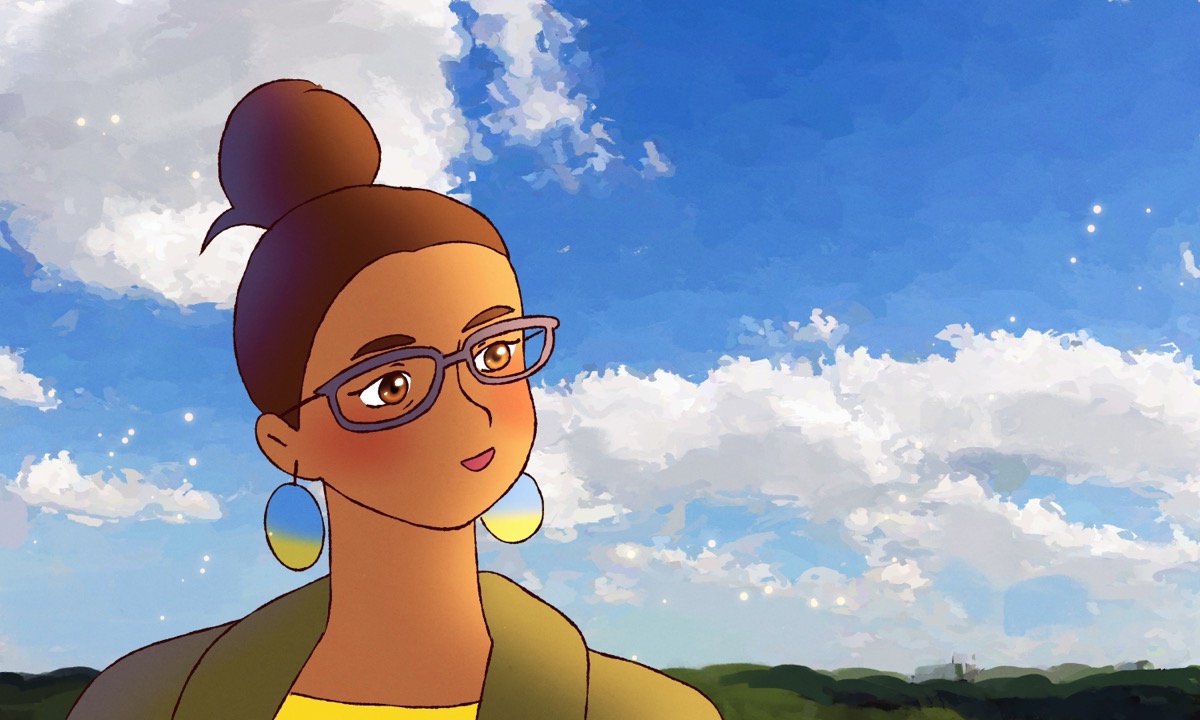
To stay balanced and well, Missyabit stays connected with her identity and culture, attending ceremony. “Although we all want to live a good life, however, that may seem, it doesn't mean that that life is going to be an easy one,”she observes. Learning Indigenous history and challenges Indigenous people face grounded her and guided her towards practicing her spirituality and culture, something that has helped maintain and lift her own self esteem and identity. “I feel proud of who I am today and a long time ago, when I was younger and didn't understand it, I didn't feel so proud,” she reflects.
As far as inspiration goes, Missyabit looks to the younger people she tries to teach about living a good life. “I want them to be able to have the jobs that are available today,” she dreams aloud. She also thinks about her siblings who are educators who struggled with racism and poverty and all sorts of things. “They battled a lot of challenges in meetings, and because they did that work, I was able to achieve the goals and dreams and positions that that I was in being an administrator as well as a leader in the superintendent's department,” she acknowledges.
In terms of her advice for someone who is struggling on their path, Missyabit would say that “It’s all about looking at connecting with your spirituality. I always say there’s three main reasons that we’re put on Mother Earth as human beings, and the first is to find your natural gift….and the second reason is to share those gifts, to help yourself in life and to help others along their journey. But the main reason as Indigenous people… is to connect with our greater power. When we find the balance in all of those, our direction and our goals in life become a little bit easier.”
“The only thing that I want for our Indigenous people and all nations newcomers that are coming here as well, it's about journeying together, and really trying to live that good life,” Marsha Missyabit confides. The educational career journey that started when she was a teen mom has blossomed now that she’s a kokum and assistant superintendent. Once she struggled with her self esteem but she’s found her gift to share with the world and learned about her history to ground herself.
Thanks to Alison Tedford Seaweed for authoring this article.


